Panchakarma Consultation
What to expect
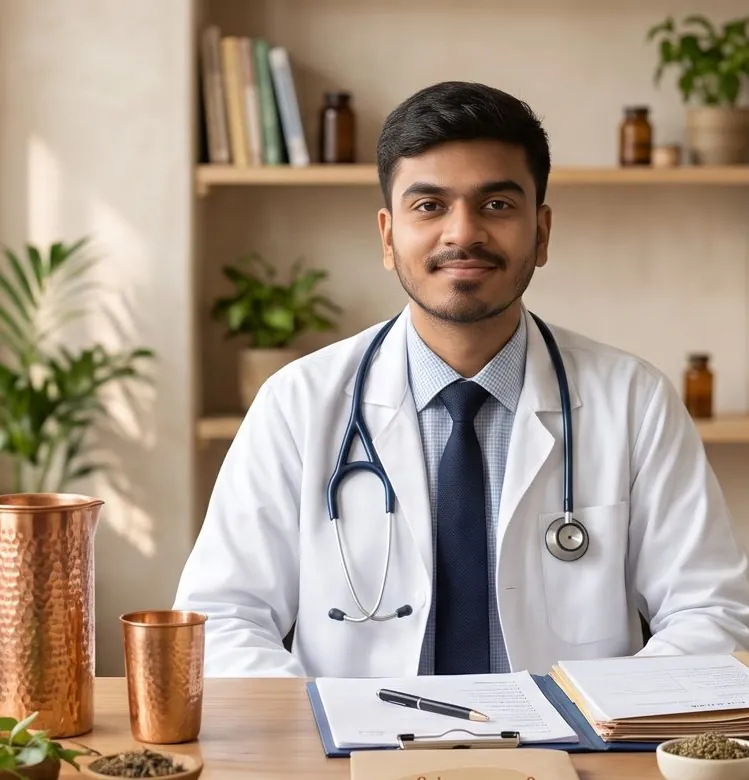
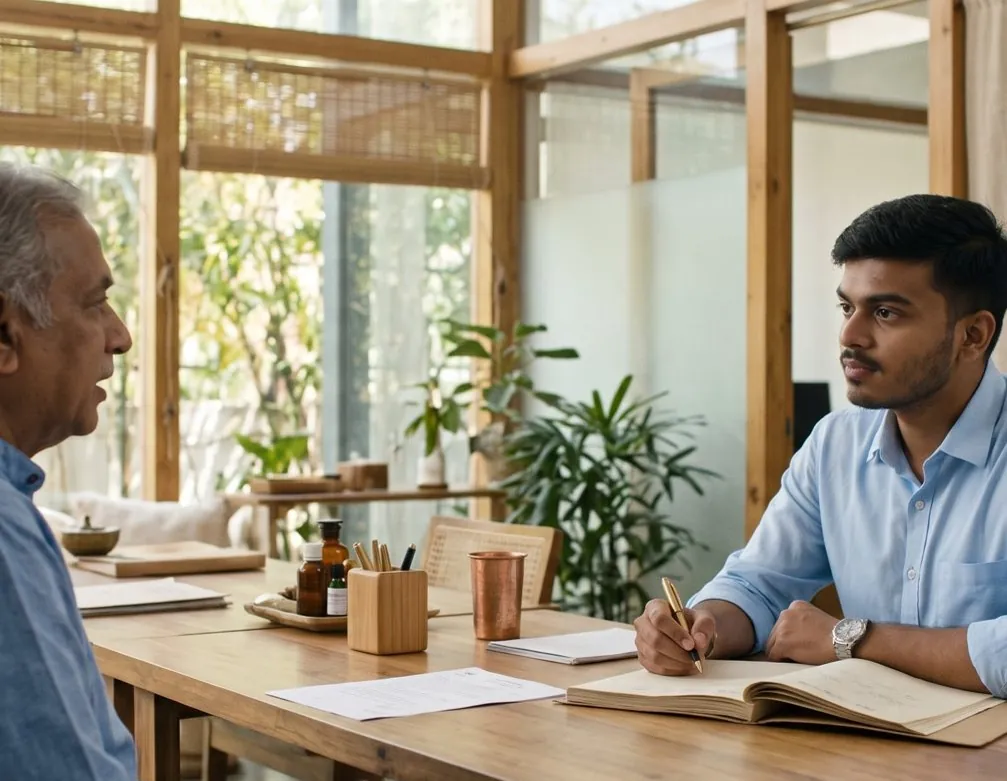
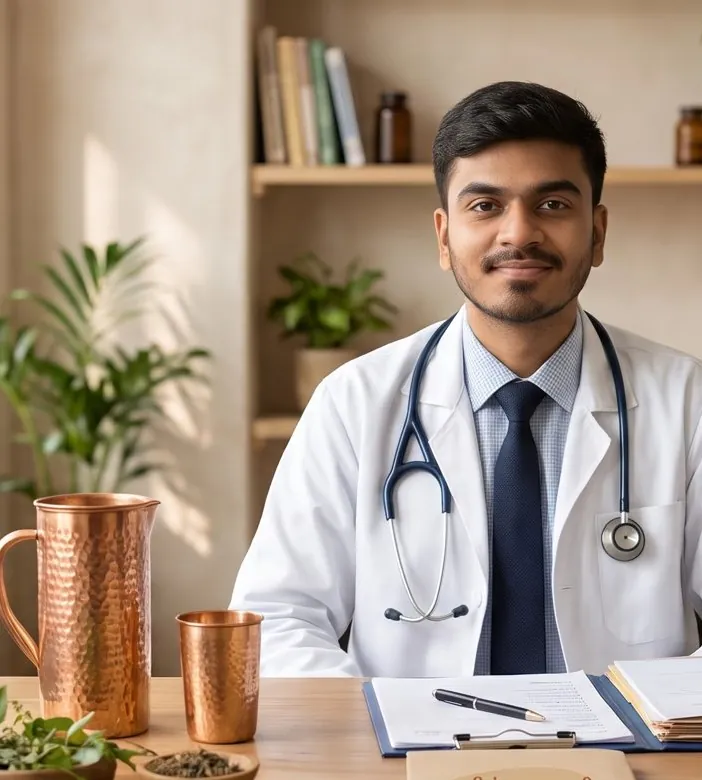
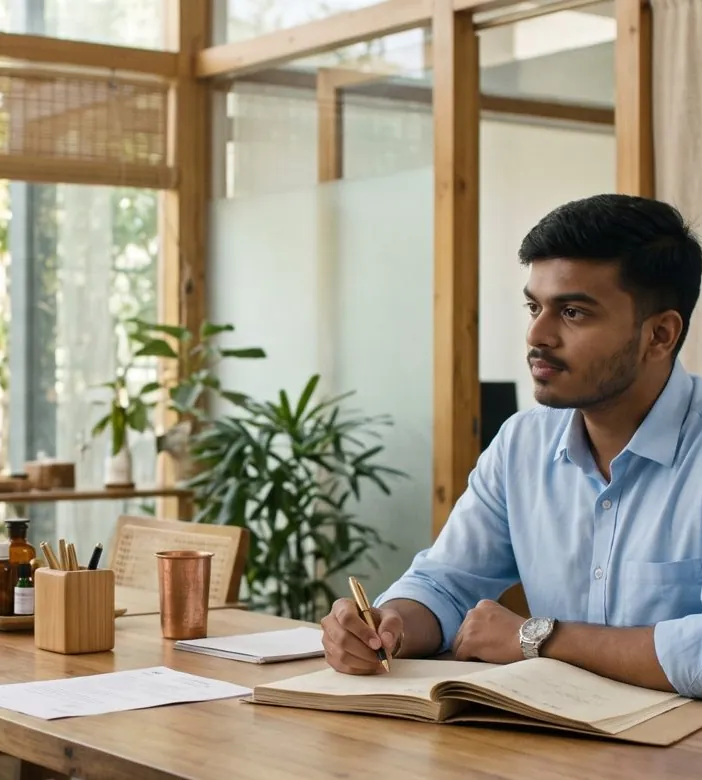
The consultation is an unhurried conversation. Dr. Aditya Kunal asks about your health history, current medicines, digestion, sleep, appetite, work and daily routine, then reads the pulse (nadi pariksha) and assesses your prakriti and present imbalance.
At the end you receive a clear recommendation. That may be a full Panchakarma programme, a few supportive therapies, diet and routine changes only, or advice to wait. If Panchakarma is not right for you now, you will be told plainly and why.
Who it is for
Anyone considering Panchakarma or an Ayurvedic therapy, and families who want to understand what is suitable for an elder or a member with an ongoing condition. Bring your prescriptions and recent reports.
Please bring
- Your current prescriptions
- Recent blood reports, if any
- A list of supplements you take
- Questions you want answered
- A family member, if you like
- An empty stomach is not needed
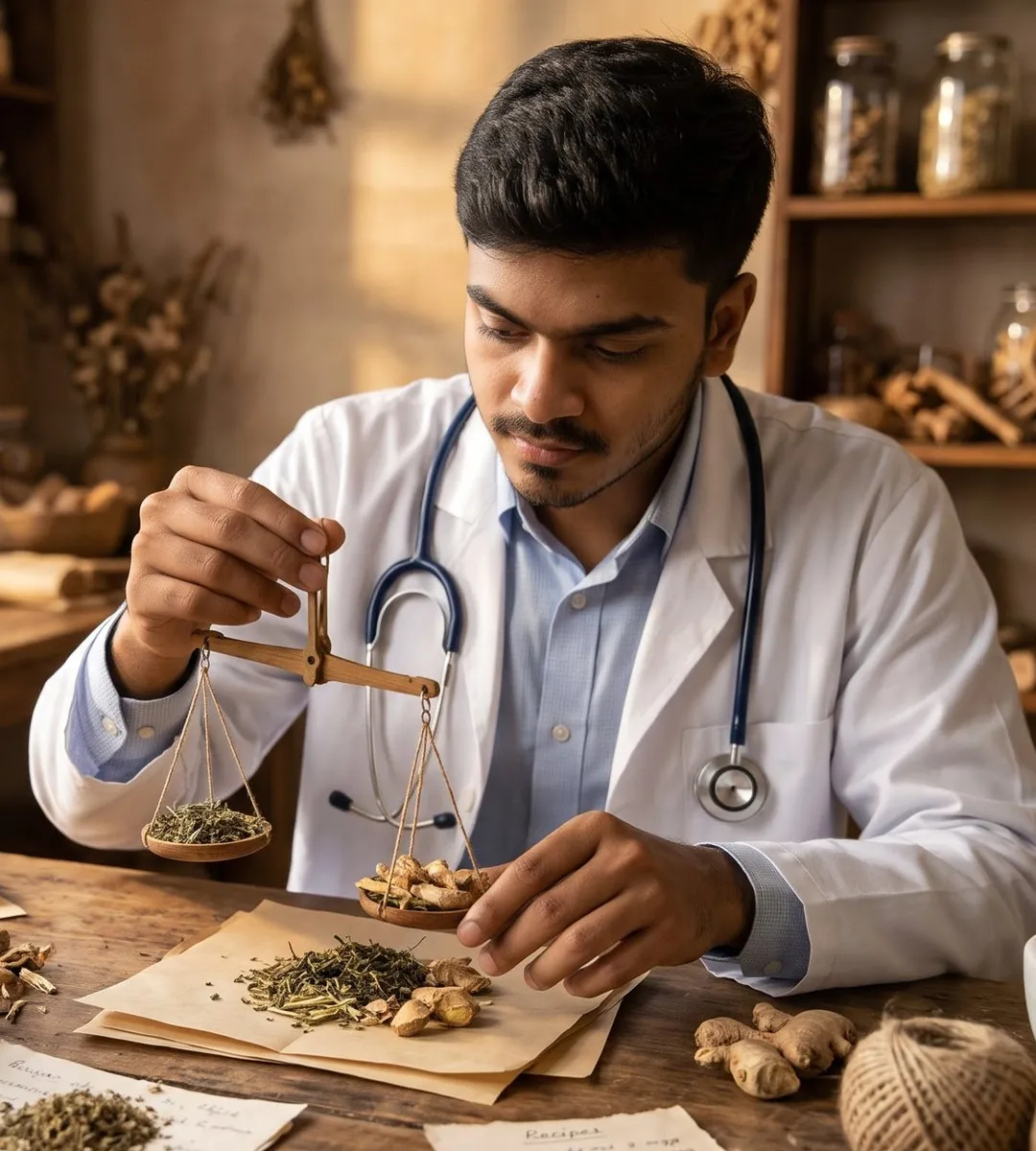
Preparation, therapy, recovery. In that order.

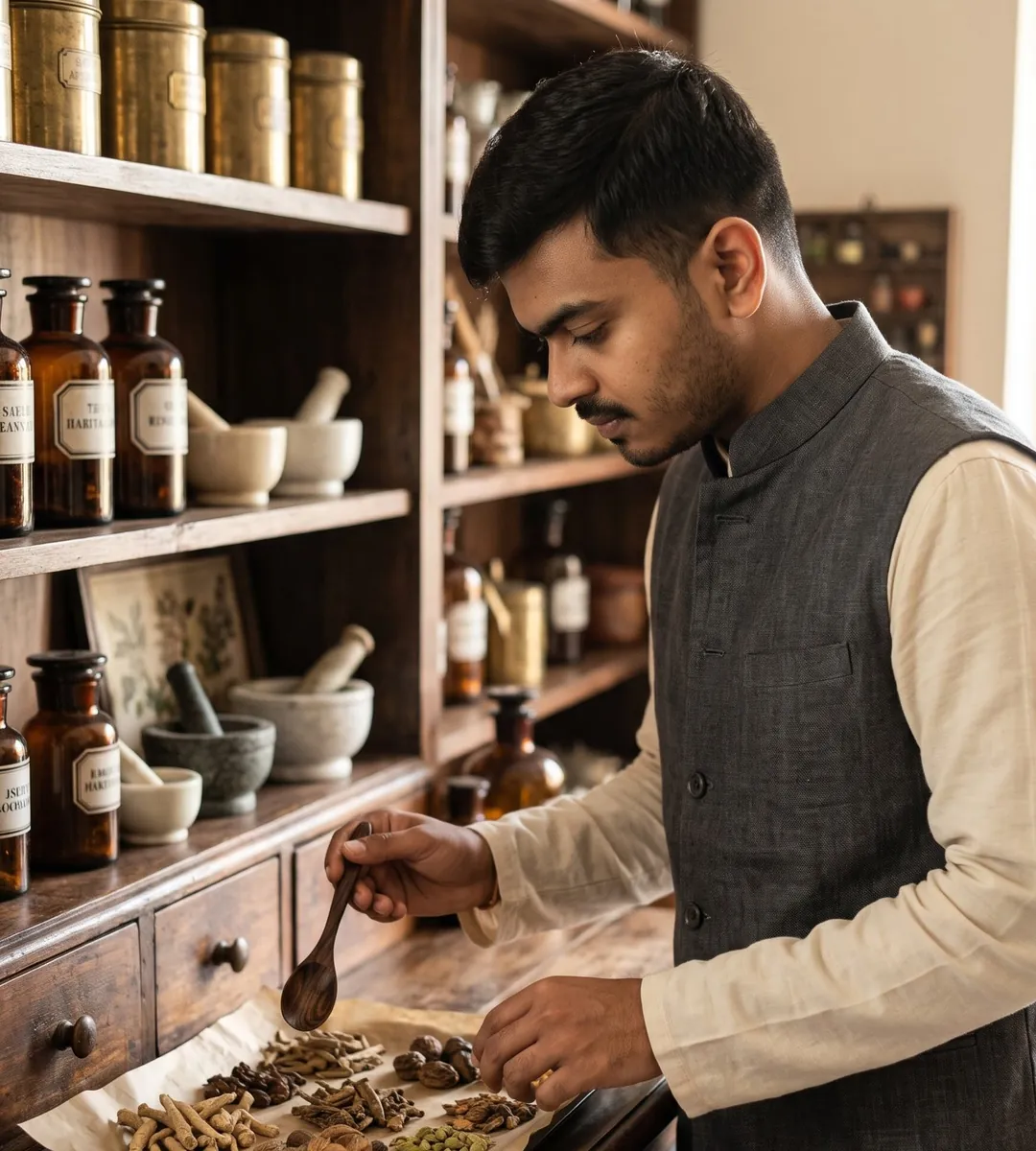
Plain answers about Panchakarma, from the clinic.
Short reads for Patna families who want to understand Ayurvedic therapy before they book.
Questions families ask before they begin.
Send a request through the appointment page with your preferred date and the therapy you are interested in. Every visit is by appointment, near Bajrang Puri, Patna, and your slot is confirmed directly by the clinic before you travel.
It depends on you. A supportive therapy such as Abhyanga or Shirodhara typically takes 30 to 60 minutes. A full programme with preparation, main therapy and recovery typically runs from about one to three weeks. The exact length is decided after assessment.
Panchakarma is a structured medical procedure, not a spa routine. It is planned only after Dr. Aditya Kunal assesses you, and the intensity is adjusted to your strength. It is not suitable for everyone, which is why no therapy starts without a consultation.
Panchakarma is usually avoided or postponed during pregnancy, acute fever or infection, severe weakness, and in some heart conditions. Young children and frail elders need special care. If you have a serious or ongoing condition, your regular doctor stays in charge of it, and we work alongside, never instead.
No. Never stop or change a prescribed medicine without the doctor who prescribed it. Bring your prescriptions to the consultation so your plan is made around them.
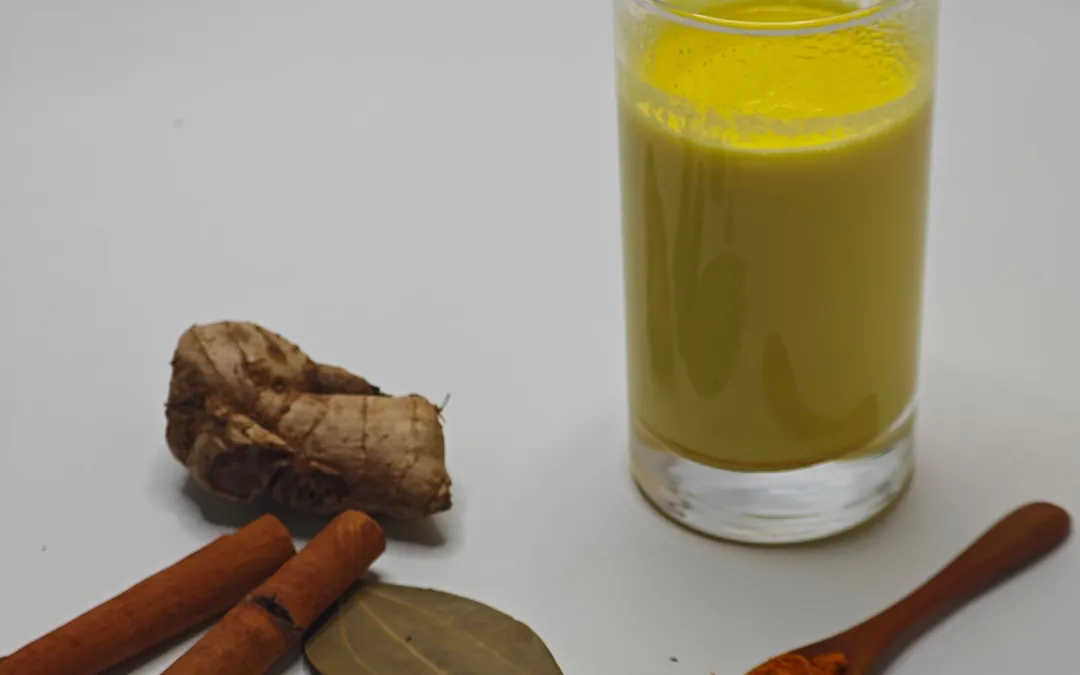
Light, warm, freshly cooked food such as khichdi, moong dal and rice, with warm water through the day. Specific diet instructions are given for each phase, and they matter as much as the therapy itself.